
MUSIC
Interview: Orange Dolla Fox Shares Insights on His Musical Journey

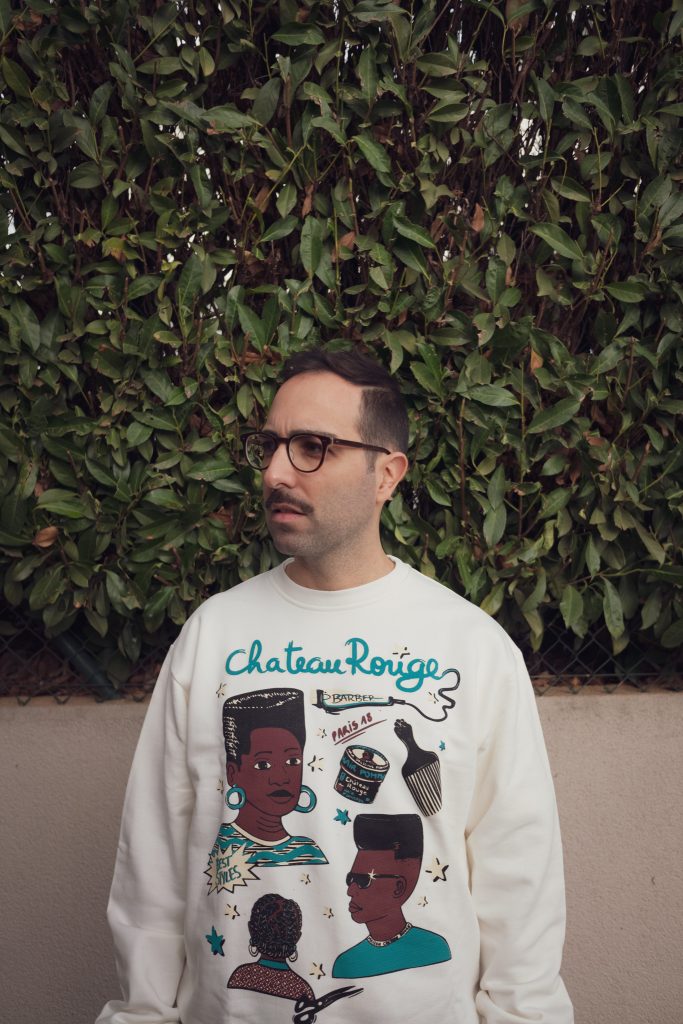
Sheer genius is demonstrated by the fascinating versatile artist and songwriter Orange Dolla Fox in his new album “Don’t Fox with Me.” The impeccable artist’s tracks are creatively entertaining and captivate the audience with an immersive and catchy vibe.
We’re lucky enough to have sneaked in for an interview with a talented artist. He was generous enough to lend some of his precious moments as we gleefully stumbled deep into his personal and professional life. Here are some excerpts from the interview:
Congratulations on the release of “Don’t Fox With Me”! What was the process like when you were creating the album and how long was this project in the making?
I’ve been recording for artists for years. I initially wanted to do a small EP, alone.
So I worked on a few new tracks … and I finally got into the game, recording lots of new songs . I took 9-10 months to prepare all of this. It was very addicting and very exciting to go in all these directions.

What does this album mean to you?
I wanted the album to be able, in 15 songs, to represent everything I like/listen to.I have been producing Afropop and Dancehall songs for many years, I have met lots of super talented artists.I was afraid, at the beginning, to offer an album that mixes so much style, but I also understood that the current era is mixed. Major Lazer -for example- offers albums where you can find Brazilian rap, reggaeton, dancehall and afropop … Nobody takes offense! and that’s good, musical openness is a big step forward.
Which song was your favorite and least favorite to put together on the album?
Releasing an album of 15 songs means recording 25! The ones I like the least are not on this album. The first reviews on the album are quite unsettling because there is not a title that stands out in particular. Lots of people write to me to give me their favorite title … and it’s never the same! I admit I had a lot of fun recording the track with TruRaw and Nzau from Kenya. They are very talented, the result surprised me a lot.
Which song on the album has the most memorable story for you? Whether it’s the writing process, recording sessions or release of the song.
I wrote a lot of Afro Pop and dancehall songs in “ghostwriting”. I have some ability to write. Nevertheless, I wanted to do a Brazilian Baile Funk title for the first time. I thought I was going to have a lot of trouble strangely, I wrote the whole structure of the song in 30 minutes. I quickly made the connection with Jacques Dingle, an experienced artist, to record in Portuguese / Brazilian and he spontaneously introduced me to Frodo, a Brazilian who had never recorded a song before.It was super spontaneous, I had confidence, I accepted directly. We all had good energy. I’m very happy with the result, and it even made me want to dig a little deeper in that direction.
Your music blends an adventurous mix of Afropop, Dancehall and Reggaeton to create a uniquely addictive sound! How do you know when you’ve found the right sound for a song?
I have been a DJ for a long time. I know the Afropop and Dancehall catalog from the last 20 years inside and out. When I composed the tracks for this album, I was thinking of famous artists, imagining myself working for them. For example, I wrote “Kill Person” while thinking of Wizkid. “Energy” thinking of Reekado Banks. “Africa” thinking of Mr Eazi. And “Township Rap” with Rema in mind (I’m a huge Rema fan!). I then thought about more … affordable artists who could lend themselves to my instrumentals!
What were the biggest initial hurdles to pursuing your musical dreams and how did you overcome them?
I did not encounter any problems in the conception of the album.But releasing an album is 50% musical talent and 50% marketing. When you are independent, whatever the quality of the project, it is difficult to have media exposure. This means that the marketing budget must often be greater than the creative budget. I did not take this direction and the way to meet the public is always more difficult, but it is tastier. It always gives me great pleasure when I get a message from a guy in Puerto Rico or Toronto who tells me he likes my music. I’m happy that a media like yours takes the time to support projects like mine. That is true:Does Lady Gaga really need an additional item to promote her music? I do not think so!
What has been the best moment in your musical career that you’re most proud of?
I have always “ghostwritten” for producers. My best musical moments come from these little hits. It is thanks to these titles that I found myself legitimate with my own songs. I started to produce remixes, original songs for artists. I had 3 contracts with Jamaican labels at the time. At one point, I told myself that I was ready to release a project on my own.
Thank you for speaking with us! For our final question, is there anything else you would like to add?
I saw that you had released an article on the top 10 African rappers in 2021. Remember to give them my number 🙂
Catch Up With Orange Dolla Fox on:




MUSIC
Sean Waterman Finds a Haunting Balance Between Acoustic Intimacy and Electronic Experimentation on His Vulnerable New Single “Faith Crisis”

Atlanta singer-songwriter Sean Waterman has long drawn from indie rock, roots-rock, folk-pop, and blues-infused alternative pop, shaping a sound that feels refreshingly organic. Acoustic intimacy sits comfortably beside alt-rock grit, subtle alternative R&B influences, and evocative textures. Holding those elements together is his poetic, emotionally attentive songwriting, which gives even his most introspective reflections an inviting sense of storytelling.
His latest single, “Faith Crisis,” takes that foundation somewhere unexpected. Waterman steps decisively into electro-pop and trip-hop territory, pairing ethereal electronic production with the acoustic guitars and candid vocals that have defined much of his work. The change feels substantial, yet the song retains the human warmth of his earlier material.
Atmospheric synth pads, ambient layers, and programmed sounds create a spacious, almost dreamlike setting. Where his roots-rock arrangements might once have relied on more traditional instrumentation, “Faith Crisis” embraces a darker, more immersive electronic palette. The arrangement has room to breathe, even as its different textures gradually gather weight.
Its rhythmic pulse is especially compelling. Crisp programmed drums and intricate lo-fi beats give the track a steady, mid-tempo drive, while downtempo trip-hop patterns and alternative R&B undertones introduce a lingering sense of unease. Against that carefully constructed backdrop, Waterman’s acoustic guitar remains unmistakable.
Those strums are crucial to the song’s character. Their raw, tactile quality cuts through the polished electronics without competing for attention. The contrast allows the organic and synthetic elements to strengthen each other, giving the production an intriguing depth rather than letting its atmosphere become overwhelming.
Waterman’s singing is just as affecting. Smooth and sultry, his voice carries a vulnerability that suits the song’s reflective subject matter. He begins in a hushed, almost confessional register before gradually opening into a fuller, more urgent performance. His alternative R&B and pop instincts come through clearly in the phrasing, but the emotional exposure remains the real attraction.
As the beat gains intensity, his delivery follows it upward. Rich harmonies and world-music-inspired melodic passages shape an expansive crescendo, bringing the track’s carefully layered ideas into focus. The final stretch is particularly memorable, with cinematic acoustic strumming lingering after the vocal peak. Believe me, it is the kind of ending that makes another listen awfully tempting.
Beneath those enveloping sounds, “Faith Crisis” considers the discomfort of questioning long-held beliefs. Its emotional landscape is one of personal reflection, existential uncertainty, and the search for some form of escape when spiritual or emotional life feels unsettled. That tension lends purpose to the track’s movement between intimacy and grandeur.
The song settles into a moody, ethereal, and deeply cinematic atmosphere, balancing late-night melancholy with a genuine feeling of release. Its most absorbing quality is the way the production makes space for doubt without trying to resolve it too neatly. Waterman leaves us with something beautifully isolated, yet strangely cathartic.
“Faith Crisis” is streaming everywhere.
Connect with Sean Waterman
MUSIC
IurisEkero Finds Emotional Grounding in Shimmering Electronic Textures and an Intimate Vocal Performance on “Here I Stay”

IurisEkero makes electronic pop feel personal. His music moves between contemporary pop, synth-pop, and atmospheric electronic music, with shimmering synths and immersive textures carrying nostalgia, romance, longing, and self-reflection. The balance draws on his bicultural upbringing and deep musical roots. As his sound evolves and reaches international audiences, he continues turning ordinary experiences and complicated emotions into something cinematic.
On his latest release, “Here I Stay,” there is a clear sense of purpose. The song, the first track from an upcoming album scheduled for release on November 6, 2026, centers on the decision to remain present, hold on to a connection and find stability within it. Its defining hook, “Here I Stay (here I stay), I found my home in your eyes…I’m not leaving this time…” brings that feeling into focus. The words are direct, and the chorus is difficult to forget.
The production surrounds those sentiments with a deeply ambient, almost haunting atmosphere. Crisp electronic layers give the song modern polish, while nostalgic warmth runs through the arrangement. Then there is that electric guitar solo, an alluring detail that lifts the mood without breaking the music’s immersive spell.
Underneath, a steady mid-tempo pulse keeps everything moving. The groove pulls you in, yet leaves space for the melody and lyrics to register. The chorus is especially infectious, with the kind of repetition that lingers after the music stops. There is plenty happening in the mix, but the cinematic synthesizers and more organic instrumental accents never compete with one another. Even the guitar has room to breathe.
Vocally, IurisEkero takes an unhurried approach. He pays attention to phrasing rather than forcing the emotions outward, letting each line settle before the next arrives. By avoiding heavy vocal effects, he keeps the performance intimate and conversational, a fitting choice for a song about deliberate emotional commitment. The movement from softer verses into a fuller, more resonant chorus feels fluid and gives the song its tension between exposed vulnerability and quiet resolve.
That restraint may be the clearest sign of where IurisEkero is headed creatively. His electronic foundation remains firmly in place, but the storytelling feels more grounded and the production serves the emotional arc rather than drawing attention away from it. “Here I Stay” holds together because its atmosphere, hook, guitar and vocal delivery all point toward the same idea: choosing to stay, and meaning it.
“Here I Stay” is streaming now.
Follow Iuris Ekero: Website · YouTube · Apple Music · Instagram
MUSIC
SHANI G Finds a Tender Balance Between Heartbreak and Acceptance on Her Soulful New Trap R&B Single “Crossroads”

Miami, FL, artist SHANI G has shaped her sound around melodic trap R&B and songwriting that feels drawn from the pages of a diary. On earlier releases such as “Comes back around” and “Just For You,” she introduced a voice that can move from exposed emotion to self-assurance and streetwise grit without sounding like she has changed characters. Her delivery is distinctive: soft and airy, often close to spoken conversation, with a lyrical sharpness that keeps even the gentler moments from feeling fragile.
That tension runs through much of her music. Love, heartbreak, loyalty, ambition, independence, and street life all find their way into her songs, but it is the personal angle that gives those familiar themes some weight. Sometimes she holds her feelings at a distance; elsewhere, she lets them come through without much protection. She can move from singing into rapping while keeping the same recognizable voice.
Her new single “Crossroads” leans into the more reflective side of that approach. The production has a clean, polished finish, but it retains the closeness of something made for a late-night listen rather than a crowded room. Soulful melodic details sit over an atmospheric trap backdrop, with the percussion kept deliberately restrained. There are no overpowering club-ready 808s competing for attention. The slower pace gives the instrumental melody space to settle and leaves the emotion of the song in the foreground.
SHANI G works comfortably within that space. Rather than pushing toward dense, rapid-fire verses, she follows a smooth, melodic cadence. Her voice carries the story in an almost conversational way, as though she is putting difficult thoughts into words while they are still fresh. The openness of the performance makes the song feel intimate, with little distance between the person telling the story and the listener hearing it.
At its heart, “Crossroads” is about a relationship reaching a point where two people can no longer continue in the same direction. Love and loss sit alongside the difficult choices that follow a separation. There is sadness in accepting that a shared chapter has ended, but also a tentative willingness to face whatever comes next. That mixture of melancholy and acceptance gives the song its emotional character, making it well suited to quiet, reflective listening.
SHANI G has never seemed particularly interested in staying within one fixed musical persona. Her confidence and sensitivity can coexist, and “Crossroads” finds her giving the latter more room without abandoning the edge in her sound. A relaxed, story-driven music video accompanies the single, with visuals that follow its mood and narrative.
Stream “Crossroads” here.
-
 MUSIC2 months ago
Gospel Artist Harmoni Allen Confronts Mental Health Stigma With Vulnerability Faith and Soul on Her Powerful Single “Schitzo”
-
 MUSIC2 months ago
Serag Baddar Revisits a Teenage Guitar Idea With Intimacy and Patience on the Atmospheric Post Rock Track “Limerence”
-
 MUSIC2 months ago
Omer B Channels Groove, Speed, and Collaborative Fire on the Exhilarating Funk Rock Instrumental “Bending Time”
-
 MUSIC2 months ago
Digital Guts Builds a Restless Genre Bending World From Anonymity, DIY Instinct, and Sonic Experimentation on “Digital Guts”
-

 MUSIC2 months ago
Nelia Ross Embraces Raw Pop Rock Vulnerability on “Unknown Man” as She Enters a New Chapter for GRAMMY Consideration
-
 MUSIC4 weeks ago
Li63rty Embraces Vulnerability and Warm Afro Pop Rhythms With Roxy on Her Romantic New Single “Without Your Love”
-

 MUSIC2 weeks ago
SHANI G Finds a Tender Balance Between Heartbreak and Acceptance on Her Soulful New Trap R&B Single “Crossroads”
-

 MUSIC2 weeks ago
IurisEkero Finds Emotional Grounding in Shimmering Electronic Textures and an Intimate Vocal Performance on “Here I Stay”


