
MUSIC
Bam Turnt’Up marks a significant milestone in his career by releasing 11 albums on his birthday—2-15-1992 is one of them, carrying an aura of divine timing!


Yeah, you heard that right—11 albums in one day, encapsulating Bam Turnt’Up’s bold, visionary, resilient, and boundary-pushing journey. And you know what? We’re not talking about your average artist—no. Bam Turnt’Up is a spiritual architect, a force of raw energy and enlightenment. His artistry is deeply intertwined with the mysticism of numerology, particularly the powerful sequence 11:11:11, representing intuition, alignment, and higher consciousness. Through this lens, his music transcends entertainment, becoming a vessel for self-discovery, manifestation, and personal evolution. His music isn’t just about beats and bars—it carries an aura of divine timing, purpose, and deeper meaning.
Take, for example, one of his many new albums, 2-15-1992—appropriately titled after his birth date and one of the 11 albums released on February 15th. It’s a no-brainer that the album has 11 songs… in case you weren’t keeping up! This project is a bold, raw, and unorthodox yet authentic body of work, where he fuses high-energy performances, unconventional flows, and innovative production to craft a project that defies expectations.
Look at tracks like Blow, Cake, Make It Clap, All I Wanna Hear, and Do It. These tracks share common denominators—high energy, infectious rhythms, and boundary-pushing hip-hop that thrives on melodic versatility, youthful exuberance, and genre-fluid creativity. With these jams, Bam Turnt’Up carves out a unique space in contemporary rap, blending club-ready anthems with a dreamlike quality, elevating their appeal through infectious, chant-like hooks and playful, hypnotic flows. Listen and tell me otherwise!
Even with a track like D Ya Down, Bam Turnt’Up showcases an uncanny ability to craft an instantly recognizable, high-energy hit capable of dominating both clubs and radio airwaves.
If this album tells us anything, it’s that Bam Turnt’Up is a versatile artist who refuses to be confined to just hip-hop. He seamlessly weaves elements of trap, R&B, pop, and even psychedelic influences, giving listeners one hell of a ride. And you know what? You can’t really blame him—it’s his birthday, for crying out loud!
Moody and hypnotic in its aesthetic, 2-15-1992 represents the new wave of hip-hop—one that embraces fashion, internet culture, and viral moments. Bam Turnt’Up never takes himself too seriously while still delivering undeniable hits.
If you’re looking for the perfect fusion of melody-driven innovation, electrifying energy, and genre-fluid creativity, 2-15-1992 is exactly what you need. This project is brimming with party-starting anthems and vibe-heavy tracks as Bam Turnt’Up brings a fresh, youthful, and undeniably fun approach to his craft.
More than just music, Bam Turnt’Up is a builder—uplifting others through Carolina Goat Music, where he nurtures emerging talents and leads them down an exemplary path marked by relentless dedication, hard work, resilience, sacrifice, and an unwavering determination to chase their dreams.
Whether in music, business, or personal growth, Bam Turnt’Up approaches life with the mindset of an independent architect of success.
Bam Turnt’Up isn’t just making music—he’s shifting energy. He embodies the intersection of hip-hop, spirituality, and visionary entrepreneurship, using his platform to inspire, elevate, and manifest greatness.
The number 11 isn’t just symbolic—it’s the heartbeat of his journey, guiding him as he transforms creativity into something truly divine, dynamic, and unforgettable.
Listen to 2-15-1992 and tell me it’s not all that!
Approach this album with a divine purpose, and you’re bound to have an out-of-body experience that teaches you a thing or two about appreciating the journey—flaws and all.

MUSIC
Brooklyn’s 26G Brings Southern Bounce and Street Hustle Swagger to “Get the money stack it up, open verse”

Brooklyn’s 26G has built his independent career on an appetite for range. A rapper, songwriter, and prolific producer, he moves between rap, R&B, and Afro-inspired sounds, matching raw lyrical expression with melody and infectious rhythm. That restless creativity has helped shape a musical identity that feels contemporary without losing its personality. With over 10,000 songs and more than 100 million streams to his name, he brings a remarkable level of consistency and ambition to a brand that reaches beyond the studio.
On “Get the money stack it up, open verse,” that ambition comes through loud and clear. The song leans into anthemic hip-hop with a distinctly Southern bounce, pairing a cinematic backdrop with a larger-than-life rap presence. Its mood is hungry and triumphant, embracing the excess, confidence, and relentless drive of street hustling without softening the edges.
For all its scale, the production is deliberately spare. A haunting, almost orchestral melodic loop hangs over the beat, giving the arrangement a dark, atmospheric tension. The dramatic sound leaves plenty of room for the rhythm to land, so the instrumental feels imposing without becoming crowded.
Booming 808 bass and hard-hitting kicks supply the weight, while crisp snares and tightly programmed hi-hats sharpen the groove. The mid-tempo pulse is steady and head-nodding, and the repetition gives the track its hypnotic, chant-like momentum. That balance between minimal movement and heavy impact is central to its appeal.
26G sounds right at home in that space. His commanding voice gives each verse a sense of authority, with a rhythmic delivery that carries plenty of swagger. The chant-like hooks reinforce the song’s defiant message and make its central refrain easy to remember.
The title also points to the track’s participatory side. As the song approaches its end, the instrumental deliberately opens up, creating room for other artists to grab the mic and add their own verses. It fits the song’s shatterproof mentality: keep the momentum going, keep pushing, and make space for the next voice to join in.
Listeners can find free MP3 and WAV downloads of 26G’s freestyles, mixtapes, and tracks like this one through his 26G Official Store. The song is also available on major streaming platforms, including Spotify.
MUSIC
TaniA Kyllikki Channels Gospel Power and Relentless Techno Energy Into a Heartfelt Plea for Global Unity on “HUMAN”

British singer-songwriter TaniA Kyllikki brings an unusually wide musical palette to her work. Motown soul, the vocal intensity of 1990s R&B, contemporary pop, retro-soul, house, hip-hop, and classical influences all find a place in her emotionally expressive style. Her remarkable five-octave range gives her room to move between hushed, vulnerable phrases, rich lower tones, forceful belts, and piercing whistle notes. Yet her storytelling matters just as much as her technical ability. Love, resilience, self-worth, and the need for human connection shape the personal experiences she brings to her songs.
Her dance anthem “HUMAN,” which has attracted more than one million YouTube views, takes that concern for connection into a much wider conversation. The idea grew from a late-night bedroom conversation and a heartfelt response on social media. Troubled by the hostility directed at people of different races, cultures, and backgrounds online, TaniA turned her frustration into a call for equality, empathy, and peaceful coexistence.
The sound is strikingly physical. Hard techno-house rhythms push the track forward, with pulsing synthesizers and an insistent four-on-the-floor kick keeping the momentum high. Against that tough electronic pulse, TaniA’s soulful, gospel-inspired singing brings warmth and emotional urgency. The contrast gives “HUMAN” much of its character, creating a dance record with the intensity of a heartfelt appeal.
Producer Rynellton shapes the dramatic electronic backdrop, giving the vocals space to rise above its heavier textures. TaniA makes full use of her extraordinary range, starting in delicate, almost fragile passages before opening into commanding high-register belts. Those shifts are expressive rather than ornamental. At her most impassioned, she sounds as though she is speaking directly to someone who needs to hear her message.
That message is uncomplicated, but the feeling behind it runs deep. The lyrics challenge the divisions that grow around race, culture, and background, asking listeners to recognise the humanity they share. By putting mutual respect and compassion at the centre, “HUMAN” answers online cruelty and prejudice without surrendering to their bitterness. Its club-ready beat invites movement, while the words leave room for reflection.
There is also a beautiful spiritual quality to the performance. The gospel inflections and soaring vocals make the appeal for kindness feel almost like a prayer. For a listener moved by faith, it is easy to hear grace in the way TaniA sings and to feel that her voice is a gift from God. Her ability to carry tenderness and conviction in the same phrase gives the track an unusual emotional reach.
That generosity feels especially poignant alongside her own struggles with chronic illnesses. Knowing she continues to create and share music while facing those physical challenges adds another layer to the resilience heard in her performance. The affection she inspires is understandable. There is something deeply touching about an artist who draws on personal pain while asking others to treat one another with greater care. Her voice carries a beautiful sense of human understanding, and the kindness behind her message feels genuine. Thank you for sharing that extraordinary gift with us, TaniA. Keep being your authentic, beautiful self, Songbird.
The emotional impact of “HUMAN” comes from how its hopeful message survives the weight of the production. The pounding rhythm never overwhelms the compassion in the singing, and the earnestness of the lyrics does not drain the track of its dance-floor energy. Born from frustration with division, the song chooses hope instead, letting listeners feel that choice through both its relentless beat and soaring vocals. That balance between physical intensity and emotional tenderness gives “HUMAN” its distinctive spirit.
Give this powerful jam a listen.
Follow Tania Kyllikki: Artist Page · YouTube · Instagram · Facebook
MUSIC
Sean Waterman Finds a Haunting Balance Between Acoustic Intimacy and Electronic Experimentation on His Vulnerable New Single “Faith Crisis”
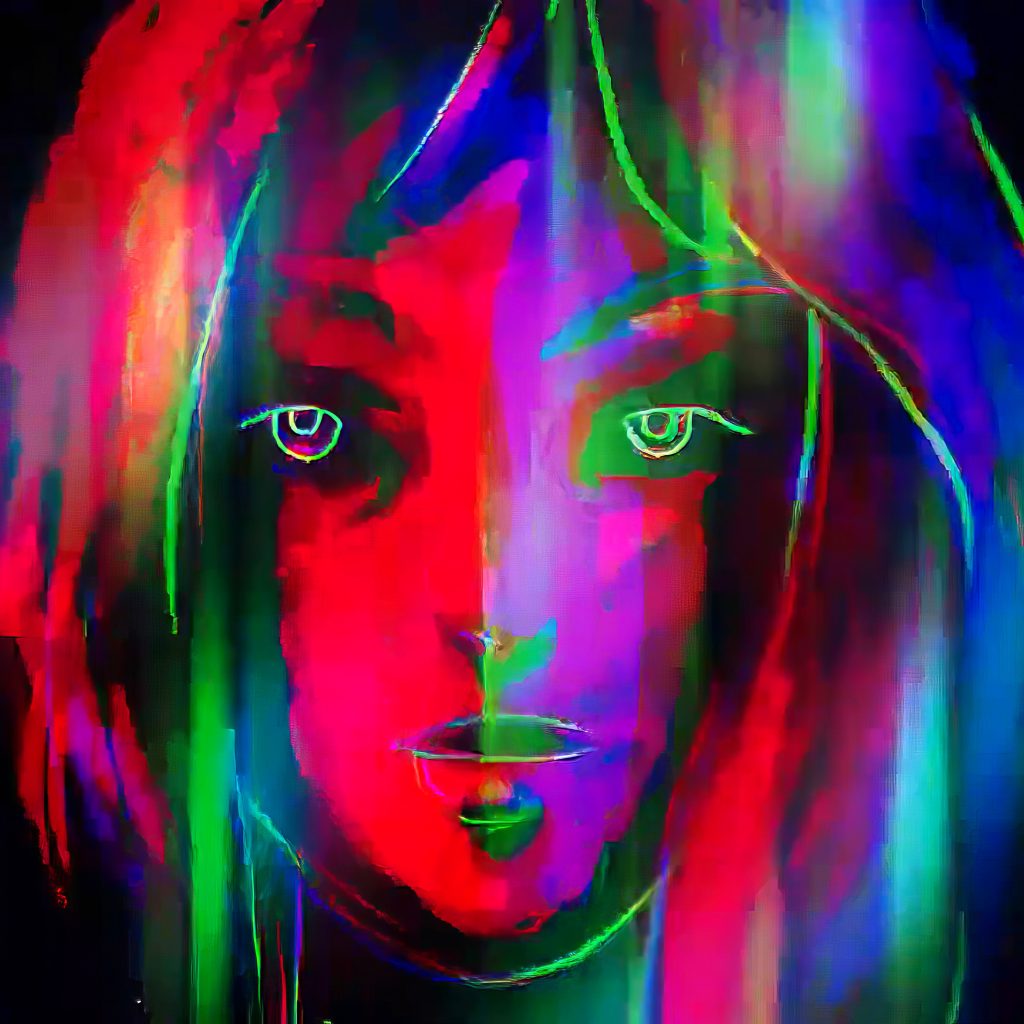
Atlanta singer-songwriter Sean Waterman has long drawn from indie rock, roots-rock, folk-pop, and blues-infused alternative pop, shaping a sound that feels refreshingly organic. Acoustic intimacy sits comfortably beside alt-rock grit, subtle alternative R&B influences, and evocative textures. Holding those elements together is his poetic, emotionally attentive songwriting, which gives even his most introspective reflections an inviting sense of storytelling.
His latest single, “Faith Crisis,” takes that foundation somewhere unexpected. Waterman steps decisively into electro-pop and trip-hop territory, pairing ethereal electronic production with the acoustic guitars and candid vocals that have defined much of his work. The change feels substantial, yet the song retains the human warmth of his earlier material.
Atmospheric synth pads, ambient layers, and programmed sounds create a spacious, almost dreamlike setting. Where his roots-rock arrangements might once have relied on more traditional instrumentation, “Faith Crisis” embraces a darker, more immersive electronic palette. The arrangement has room to breathe, even as its different textures gradually gather weight.
Its rhythmic pulse is especially compelling. Crisp programmed drums and intricate lo-fi beats give the track a steady, mid-tempo drive, while downtempo trip-hop patterns and alternative R&B undertones introduce a lingering sense of unease. Against that carefully constructed backdrop, Waterman’s acoustic guitar remains unmistakable.
Those strums are crucial to the song’s character. Their raw, tactile quality cuts through the polished electronics without competing for attention. The contrast allows the organic and synthetic elements to strengthen each other, giving the production an intriguing depth rather than letting its atmosphere become overwhelming.
Waterman’s singing is just as affecting. Smooth and sultry, his voice carries a vulnerability that suits the song’s reflective subject matter. He begins in a hushed, almost confessional register before gradually opening into a fuller, more urgent performance. His alternative R&B and pop instincts come through clearly in the phrasing, but the emotional exposure remains the real attraction.
As the beat gains intensity, his delivery follows it upward. Rich harmonies and world-music-inspired melodic passages shape an expansive crescendo, bringing the track’s carefully layered ideas into focus. The final stretch is particularly memorable, with cinematic acoustic strumming lingering after the vocal peak. Believe me, it is the kind of ending that makes another listen awfully tempting.
Beneath those enveloping sounds, “Faith Crisis” considers the discomfort of questioning long-held beliefs. Its emotional landscape is one of personal reflection, existential uncertainty, and the search for some form of escape when spiritual or emotional life feels unsettled. That tension lends purpose to the track’s movement between intimacy and grandeur.
The song settles into a moody, ethereal, and deeply cinematic atmosphere, balancing late-night melancholy with a genuine feeling of release. Its most absorbing quality is the way the production makes space for doubt without trying to resolve it too neatly. Waterman leaves us with something beautifully isolated, yet strangely cathartic.
“Faith Crisis” is streaming everywhere.
Connect with Sean Waterman
-

 MUSIC2 months ago
Gospel Artist Harmoni Allen Confronts Mental Health Stigma With Vulnerability Faith and Soul on Her Powerful Single “Schitzo”
-
 MUSIC3 months ago
Serag Baddar Revisits a Teenage Guitar Idea With Intimacy and Patience on the Atmospheric Post Rock Track “Limerence”
-
 MUSIC3 months ago
Omer B Channels Groove, Speed, and Collaborative Fire on the Exhilarating Funk Rock Instrumental “Bending Time”
-

 MUSIC2 months ago
Digital Guts Builds a Restless Genre Bending World From Anonymity, DIY Instinct, and Sonic Experimentation on “Digital Guts”
-
 MUSIC2 months ago
Nelia Ross Embraces Raw Pop Rock Vulnerability on “Unknown Man” as She Enters a New Chapter for GRAMMY Consideration
-
 MUSIC1 month ago
Li63rty Embraces Vulnerability and Warm Afro Pop Rhythms With Roxy on Her Romantic New Single “Without Your Love”
-

 MUSIC3 weeks ago
IurisEkero Finds Emotional Grounding in Shimmering Electronic Textures and an Intimate Vocal Performance on “Here I Stay”
-

 MUSIC3 weeks ago
SHANI G Finds a Tender Balance Between Heartbreak and Acceptance on Her Soulful New Trap R&B Single “Crossroads”


